

Step into any Indian neighborhood, and you will find a Kirana store—a place that’s more than just a shop! It’s where you grab milk, chat with your neighbors, and occasionally get life advice from the friendly shopkeeper.
While these small stores were once synonymous with traditional shopping, they are no longer just the corner shops we have grown up with. They are now at the forefront of a retail revolution, adapting to modern trends and proving that even age-old traditions can welcome change.
How have Kirana/(petti kadai) stayed relevant in an era dominated by online shopping and supermarket chains? The answer lies in their ability to blend convenience with the community. Let’s look into how these stores are redefining Indian retail.
From Chalkboards to Smartphones: The Digital Leap
Kirana stores have come a long way from their humble beginnings. Many shopkeepers have adopted tools like POS machines, inventory management apps, and online delivery services. Partnerships with platforms like Amazon, Flipkart, Instamart, Zepto, and other grocery delivery companies tap into a massive digital audience.
What’s impressive is how seamlessly they merge digital solutions with their old-school methods. For instance, while customers place orders through WhatsApp or an app, they still receive the same personal service and flexibility that Kiranas offers.
Why Customers Keep Coming Back
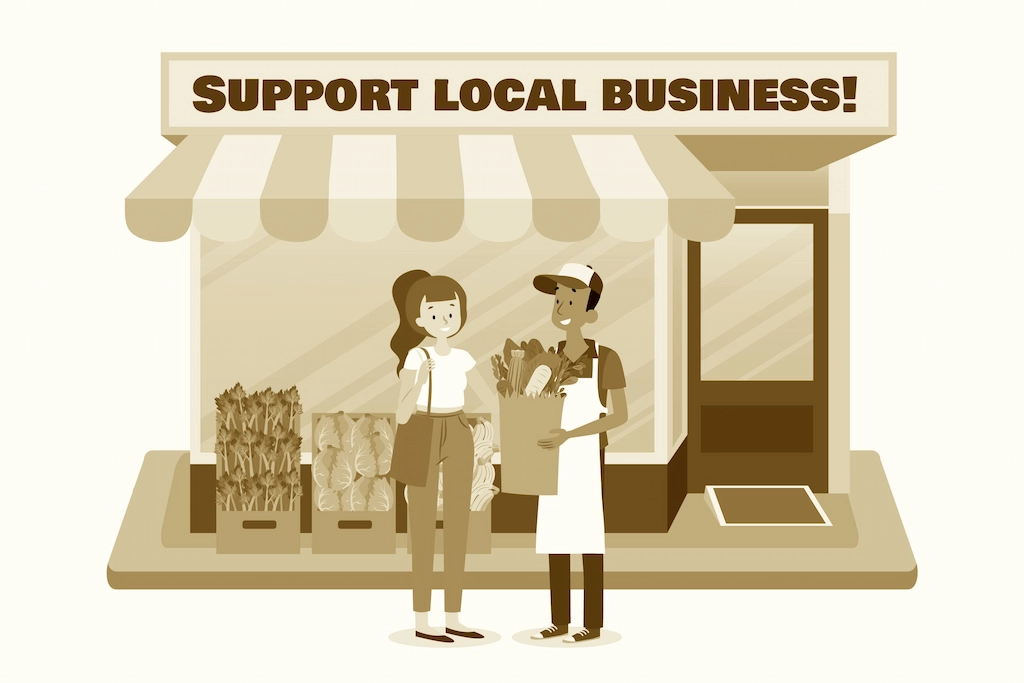
Despite the rise of quick commerce and large retail chains, Kirana stores remain unbeatable in certain aspects such as Proximity, Affordability, and Human Touch. The stores are just around the corner, making them the quickest option for urgent needs at better prices without the overhead costs of larger supermarkets. Also, the customer remembers the warmth and trust of a familiar shopkeeper, which cannot be replaced by automated chatbots or corporate customer service.
For instance, during the pandemic, this emotional connection between the shopkeeper and the customer shone brightly. While many supermarkets struggled with logistics, Kirana stores quickly adapted, offering home delivery and ensuring families had access to essentials. This ability to pivot in times of crisis has cemented their role as an integral part of Indian society.
What Does The Future Hold?
The transformation of Kirana stores is far from over. As quick commerce (like Zepto, Blinkit, and many others) continues to grow, the pressure is on these local shops to innovate even further. However, instead of competing head-on, many Kiranas collaborate with delivery platforms to bring the best of both worlds—instant delivery with a personal touch.
Another exciting development is the entry of AI and analytics into Kirana stores. By analyzing buying patterns, these stores can stock smarter and reduce wastage, leading to better profitability. Moreover, initiatives by the Indian government to digitize small businesses are paving the way for even more excellent opportunities.
The journey of Kirana stores is an inspiring tale of resilience and reinvention.
Ref:
Transformation of Indian Retail: The Rise of Kirana Stores – Express Computer
Market Share of Kirana Stores Gradually Shifting – Economic Times